Meet Our Students
Our students come from across the US and the world and are pursuing a wide range of thesis projects.
| Program Start | Length | Funding | Stipend |
|---|---|---|---|
SEPTEMBER | 5.5-6 YEARSon average | FULL TUITION | $46,5002026-2027 |
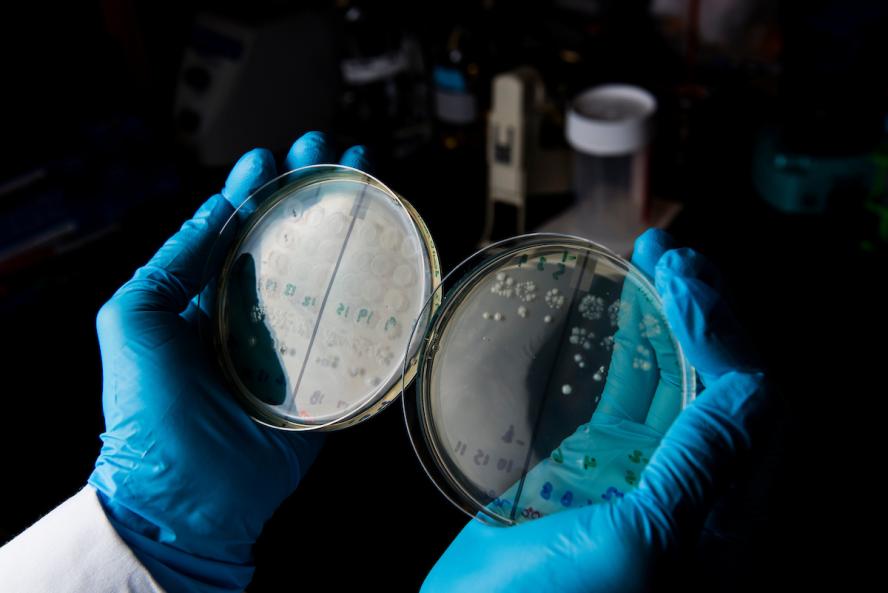
The PhD in Genetics, Molecular & Cellular Biology (GMCB) at the Tufts Graduate School of Biomedical Sciences offers rigorous, interdisciplinary training across the core pillars of modern biomedical science: classical and molecular genetics, structural and chemical biology, and cell and developmental biology. Designed for curious, collaborative thinkers, this program equips you with the knowledge and research experience needed to tackle today’s most urgent biological and health challenges.
At Tufts, you’re never just another name on a roster. Our deeply supportive faculty—more than 100 researchers across multiple Tufts campuses and partner institutions—are committed to your growth as a scientist. You’ll receive close mentorship, an equitable and flexible training environment, and guidance from a thesis committee aligned with your research interests. We set high expectations and match them with strong mentorship and personalized support.


Our curriculum builds a strong foundation in molecular biology, genetics, cell biology, and chemical biology while preparing you to think across disciplines. Seminar-based courses, journal clubs, and regular research presentations strengthen your ability to communicate, evaluate scientific evidence, and engage with global research communities.
Students conduct three laboratory rotations and begin their thesis research by March of their first year.
GMCB students build a strong foundation in genetics, molecular biology, chemical biology, and cell biology while working with a distinguished faculty of more than 100 scientists who are leaders in their fields. Our researchers drive breakthroughs in cancer biology, cardiovascular disease, musculoskeletal disorders, immunology, and eye disease, giving you direct access to nationally recognized expertise and high-impact projects.
Through three first-year lab rotations, you’ll experience different research areas before selecting your thesis lab—preparing you to think across disciplines, innovate, and make meaningful contributions to pressing health challenges.


Students can train across multiple Tufts locations, including the Health Sciences Campus in downtown Boston, the Medford Campus in the School of Engineering and the College of Arts & Sciences, and the Cummings School of Veterinary Medicine in Grafton, Massachusetts. Many students also choose to conduct research at the MaineHealth Research Institute in Scarborough, Maine.
For those particularly interested in genetics, the Mammalian Genetics@JAX program offers a distinct opportunity to complete all research training at The Jackson Laboratory in Bar Harbor, one of the world’s leading centers for mammalian genetics. Interested applicants must submit a separate application for the Mammalian Genetics@JAX program.
Graduates of the GMCB PhD program go on to impactful roles in academic research, biotechnology and pharmaceutical sciences, industry and translational research, and fields such as science policy, law, consulting, teaching, and communication. With broad scientific training, individualized mentorship, and experience working across diverse research environments, you’ll be equipped for a dynamic, versatile, and resilient career in the biomedical sciences.
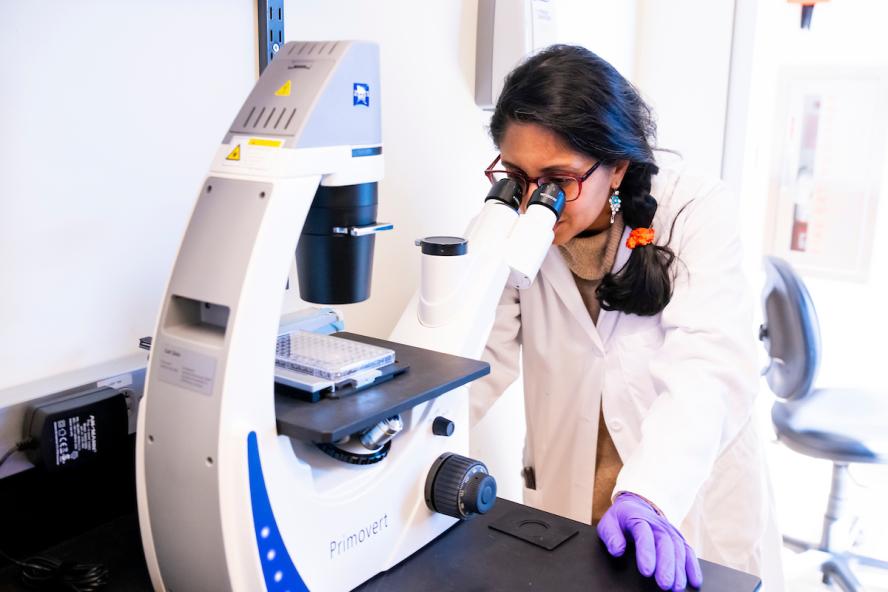
Our students come from across the US and the world and are pursuing a wide range of thesis projects.
Publication of research is a key part of training and our students publish their work in excellent journals.

Students participate in a robust seminar series featuring scientists from leading laboratories around the world.